What’s old is new again! More than ever, we are seeing tried-and-true health and fitness practices, often reserved for professional athletes, become part of mainstream treatment for those seeking better overall health. And the latest resurgence is with contrast bathing. It’s a 2,000-year-old practice that uses both cold and heat treatments, alternating repeatedly. Often this means using ice and hot water, but when it comes to contrast ‘bathing,’ can infrared help?
Let’s explore.
How Does Contrast Bathing Work?
You’ve seen and heard of people sitting in hot tubs, only to climb out and jump into a patch of snow or plunge into a freezing body of water, then back in. You get shivers just watching! It’s like an extreme sport. But is there an actual benefit to it?
Contrast bathing, also called hydrotherapy, is a purposeful practice that, when done repeatedly, can have positive results. It treats a host of issues, typically ones related to muscle and joint discomfort. Contrast bathers sometimes isolate specific areas where they have pain, such as an arm, knee, or back, to soak first in hot water than in cold, then back to hot, repeatedly.
The typical scenario starts with submerging your body or body part for up to 10 minutes in hot water, like a whirlpool tub, then alternating to 1 min in cold (50 degrees F), such as a cold plunge tub, back to hot (100-110 degrees or so F) for half the time, then cold again over a 30-minute period. While there is no exact protocol or temperature setting, this is considered standard. A simpler alternative—a shower turned from hot to cold and back. More intense methods use cryotherapy, typically in clinical settings, as part of acute treatment.
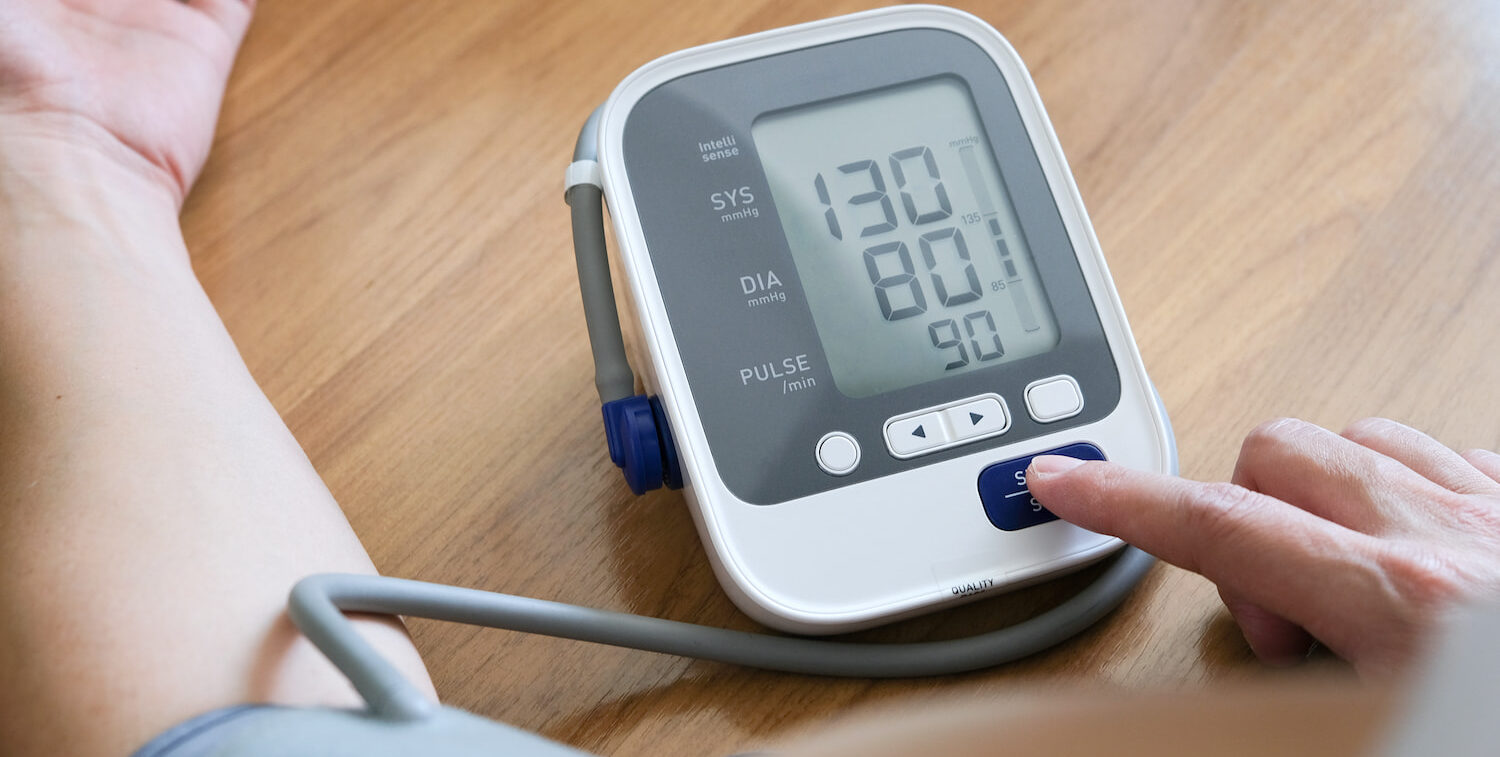
Contrast bathing could be done daily, weekly, or as needed. As a precaution, you should defer to a medical advisor if you have diabetes, high blood pressure or other health concerns that would preclude this treatment.
What Are Contrast Bathing Benefits?
Contrast bathing can be used to treat a host of body and health concerns, including:
- Chronic pain and stiffness
- Inflammation and edema
- Poor circulation
- Muscle spasms and tension
- Loss of range of motion
- Stress

Commonly, the practice used with athletes promotes recovery after intense workouts or sports injuries. It’s also used to improve performance. According to a study released by the Journal of Athletic Training, contrast bathing works via “intermittent vasoconstriction and vasodilation that induce a vascular pumping effect, which results in increased tissue blood flow and oxygenation that improve healing, enhance tissue waste-product transportation that reduces edema, improve limb function, and promote a quicker recovery.”
Simply put, during the heat portion of therapy, expanded blood vessels deliver needed nutrients to improve healing and relieve aches. The cold constricts blood flow, thereby temporarily reducing inflammation.
Some research suggests that cold/hot therapy can increase our longevity. Depending on which study you review, this is attributed to the body’s ability to adapt to stress better. It’s also thought to augment a cellular repair process called autophagy, a recycling of cellular components that can occur naturally or be induced by various dietary or lifestyle habits.
So, what if you don’t own a hot tub or want a more intense, prolonged heat source for your contrast therapy? Read on.
Where Does Infrared Come In?
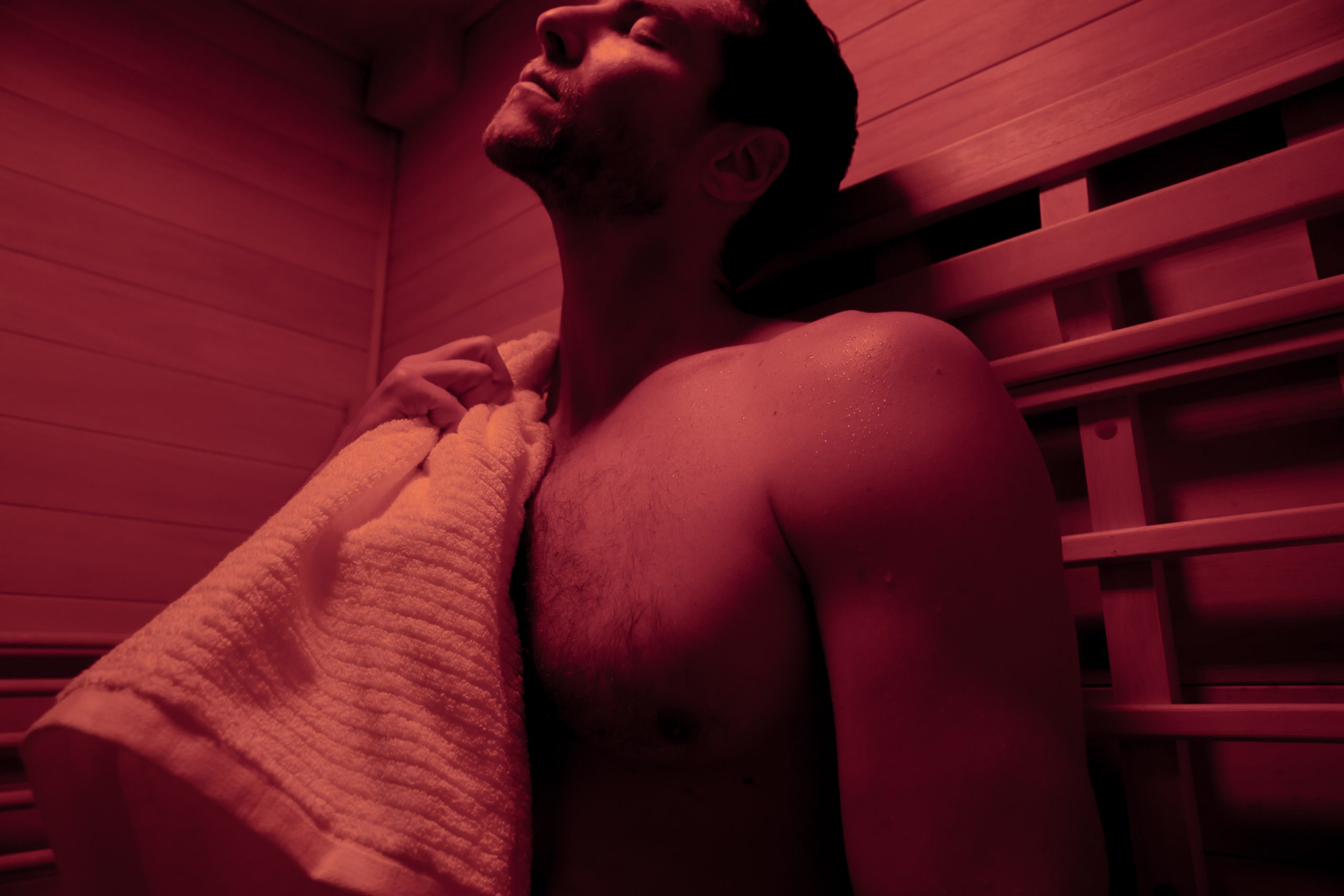
Using infrared saunas as part of your contrast treatment is a non-invasive, low-impact alternative, since infrared heats your core to induce sweating rather than the surface of your body like a hot tub.
As heat penetrates your body, it triggers a cellular response, and many of the benefits of infrared therapy are the same as those of contrast therapy. In fact, many fitness studios, chiropractors, and health spas list contrast bathing with infrared as a treatment option.
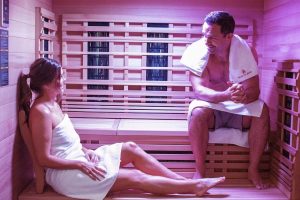
Dr. Lipman, doctor of functional and integrative medicine, shared, “Time spent in an infrared sauna can be a safer and more comfortable way to work up a good sweat gently.” He suggests using infrared as the heat portion of your contrast approach.
In general, infrared saunas offer a host of health benefits, and using them as part of an alternating hot/cold treatment has been practiced in Finland for decades.
We suggest a review of our sauna models to learn what style and type would best meet your lifestyle and budget. It’s an investment that pays off in the long run, whether you choose contrast or standard sauna bathing as your wellness treatment.