Migraines can be debilitating, affecting millions of people worldwide with intense pain. For some, traditional treatments are not as effective as desired or come with unwanted side effects, leaving affected individuals feeling frustrated and stuck. However, an innovative solution is emerging in the form of red light therapy (RLT).
This cutting-edge approach harnesses the power of light to target pain at its source, offering a non-invasive, drug-free alternative for relief. Could this be the breakthrough that individuals dealing with painful migraines have been waiting for? We will explore everything you need to know about red light therapy for migraines as a new, groundbreaking pain relief option.
What is Red Light Therapy (RLT)?
Red light therapy, also known as low-level light therapy, uses specific wavelengths of visible red and near-infrared light to penetrate the skin and promote cellular activity. The therapeutic wavelengths of red light stimulate the mitochondria, the energy powerhouse of cells. This process enhances cellular repair and regeneration, leading to numerous health benefits.
The appeal of RLT lies in its ability to enhance healing in tissues, reduce inflammation, and boost circulation. Originally used in medical and dermatological settings, RLT is now becoming popular for a variety of health applications, including pain management and migraine relief.
Understanding Migraines and Pain Relief Options
Migraines are neurological conditions often characterized by moderate to severe headaches, usually on one side of the head. These episodes can include symptoms such as throbbing pain, sensitivity to light and sound, nausea, and in some cases, visual disturbances known as auras. Common triggers for migraines include stress, hormonal changes, certain foods, lack of sleep, and environmental factors, which can vary from person to person. Migraine attacks can last anywhere from a few hours to several days, significantly impacting daily life.
Most migraine sufferers rely on drug-based treatments such as over-the-counter painkillers, prescription medication, and anti-nausea drugs. Others may turn to lifestyle adjustments, stress management, or alternative therapies such as acupuncture. While these treatments may work for some, they are not always viable for everyone, leading many to explore new options for migraine relief, including red light therapy.

Benefits of RLT for Migraine Pain Relief
RLT is an emerging, evidence-based treatment option for people who suffer from migraines to improve their overall quality of life. Here are the key benefits it offers in pain relief.
Reduced Inflammation
Inflammation is one of the key culprits behind the pain and discomfort associated with migraines. When inflammation occurs, it can lead to increased pressure and tension in the head, which often triggers or worsens migraine symptoms. RLT works by targeting inflammation at the cellular level, promoting healing and reducing the intensity of these inflammatory responses.
Promotes Blood Circulation
Improved blood flow to the brain is essential in migraine management. Red light wavelengths stimulate circulation and promote vasodilation, the dilation of blood vessels, which helps deliver oxygen and nutrients to tissues while flushing out toxins that may contribute to migraine severity.
Increase Cellular Metabolism
Red light wavelengths stimulate cellular energy production by enhancing mitochondrial function through boosted ATP production. This leads to more efficient cellular repair processes, which could enable faster recovery from migraines. Regular RLT sessions may help restore the cellular balance needed to reduce the frequency of episodes.
Improved Pain Perception
A notable benefit of RLT is its ability to change the way the brain perceives pain. By regulating neurotransmitter activity, including boosting serotonin and endorphin levels, and calming overactive nerve pathways, this therapy may help rewire the brain’s perception and processing of pain, providing a comforting sense of relief.

How To Use RLT for Migraines
Now that we have explored the science behind how RLT may be an effective migraine treatment, let’s walk through these simple steps to incorporate RLT into your routine and potentially find relief.
Understand Red Light Wavelengths
RLT uses red and near-infrared light wavelengths to penetrate the skin and stimulate cellular energy production. To effectively target migraines, look for devices that emit red or near-infrared light in the 600–850 nanometer (nm) range. These wavelengths are optimal for deeper penetration into tissues, resulting in better outcomes.
Choose the Proper RLT Device
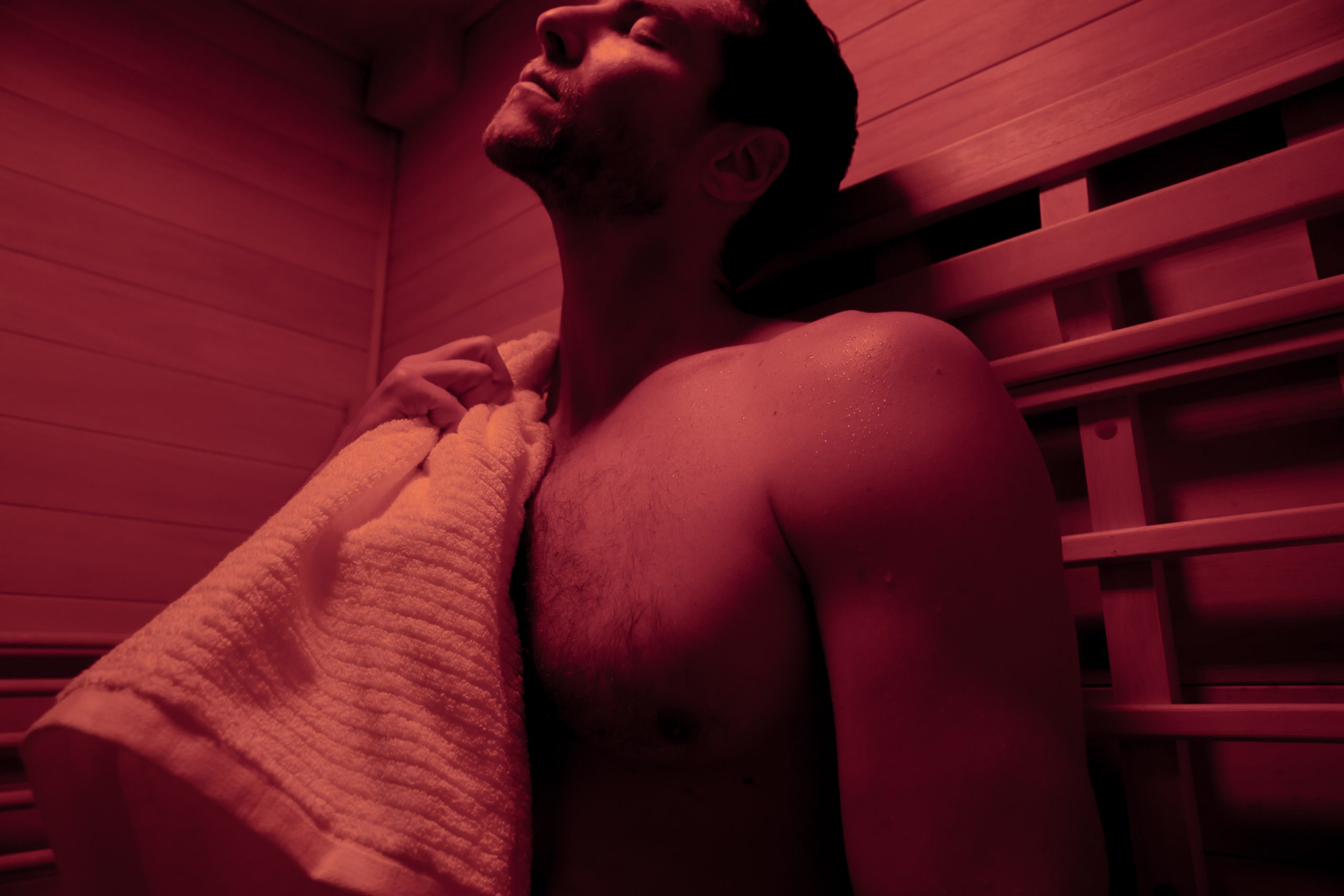
When it comes to devices, individuals can either opt for at-home tools or seek professional treatments in clinics. Portable lamps, panels, and handheld devices make at-home sessions convenient, while clinical settings often provide more powerful equipment. For those looking for multifunction benefits, consider trying an infrared sauna for home to combine red light therapy with sauna-like relaxation.
Begin With Short RLT Durations
If you’re new to red light therapy, start with short sessions, typically around 5–10 minutes each. Gradually increase the duration as your body adjusts, but avoid prolonged exposure to prevent overstimulation.
Engage in Consistent RLT Sessions
Consistency plays a key role in achieving noticeable results. Aim for at least three sessions per week to experience the cumulative benefits of RLT in managing migraine symptoms effectively.
Track Migraine Pain Relief Progress
Monitoring your symptoms over time is essential to understand how RLT impacts your migraines. Keep track of headache frequency, intensity, and duration in a journal to identify patterns of improvement.
Safety Considerations for RLT for Migraines
While RLT is generally safe, you should follow certain precautions for optimal results and to avoid any adverse effects. Always adhere to the manufacturer’s instructions when using RLT devices. Overexposure or improper usage can result in skin irritation or overstimulated tissue. Protecting your eyes is also essential; wearing protective glasses during sessions can guard against potential eye strain.
If you experience light sensitivity, limit the intensity and frequency of your RLT sessions. It may also be beneficial to take breaks or use the therapy in low-light environments to minimize any discomfort. Lastly, always consult your doctor before beginning RLT, especially if you have underlying skin conditions or are pregnant.
The Impact of Red Light and Infrared Sauna Therapy
For those looking to enhance the pain-relieving effects of RLT, combining it with infrared sauna treatments can create a complementary approach. Infrared sauna therapy promotes muscle relaxation and detoxification, which can contribute to overall migraine relief. The added heat provides deeper tissue penetration of red light, further improving its anti-inflammatory and circulation-boosting effects. Together, red light and infrared therapy offer a comprehensive solution for managing migraines, while also contributing to overall well-being.
Enhance Your Migraine Management Today
Red light therapy is revolutionizing the way migraines are treated by offering a safe, non-invasive, and effective alternative to traditional pain relief methods. From reducing inflammation and promoting circulation to improving cellular function, this innovative therapy provides a multi-dimensional approach to combating migraines.
Integrating RLT into your migraine toolkit can empower you to take control of your symptoms while enhancing your overall health. At Health Mate, our exceptional home infrared saunas come equipped with LED chromotherapy panels so you can experience migraine relief and relaxation. If you’re ready to explore the benefits of this therapy from the comfort of your space, start your wellness journey with Health Mate today.